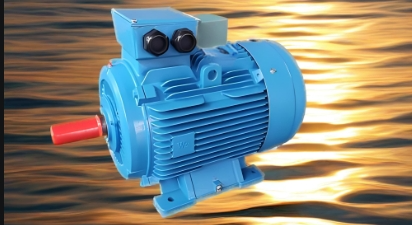
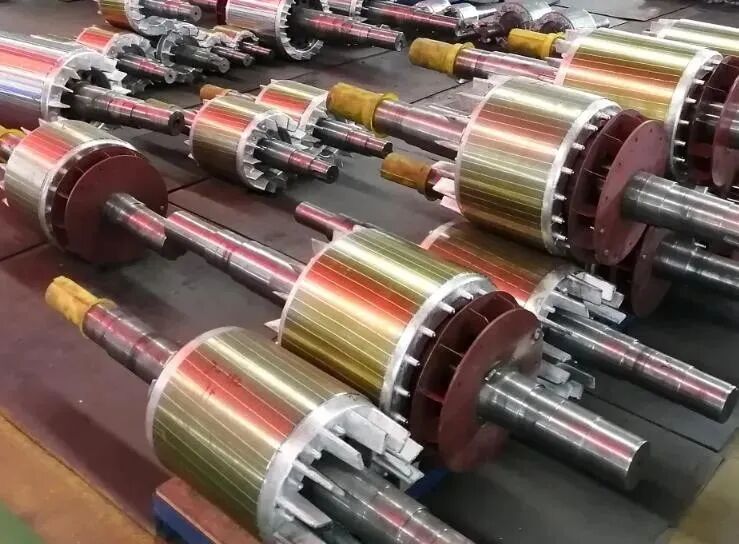
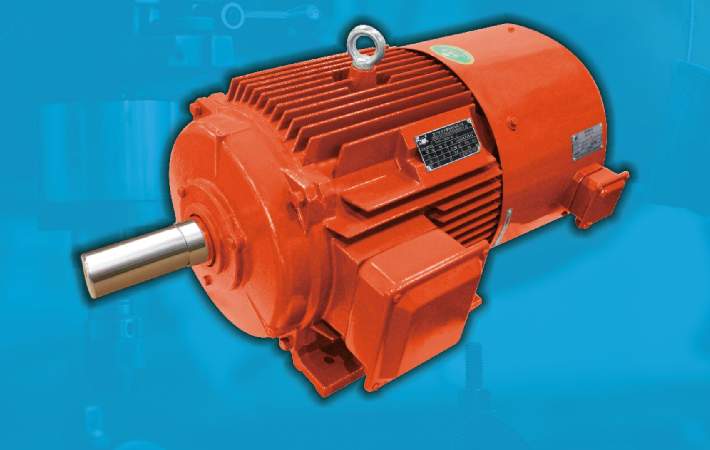
During the operation of a motor, changes in its performance parameters are always a major concern for motor users. Variations in parameters such as efficiency, power factor, speed, and current directl
The speed of an asynchronous motor is always lower than the rotational speed of the corresponding rotating magnetic field. In practical applications, speed regulation of the motor is required accordin
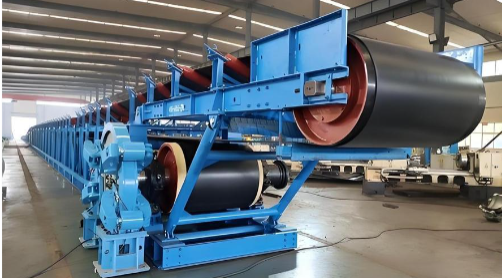
Belt conveyors, as core conveying equipment in mining, chemical, warehousing and other industries, need to operate stably under low-speed and heavy-load conditions for a long time. They must cope with
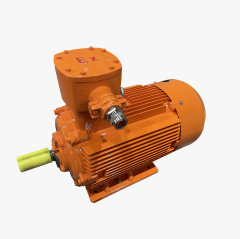
In practical communication, we have found that many people confuse explosion-proof motors with flameproof motors. In fact, the two are not in a parallel relationship, but an inclusive one. Simply put,
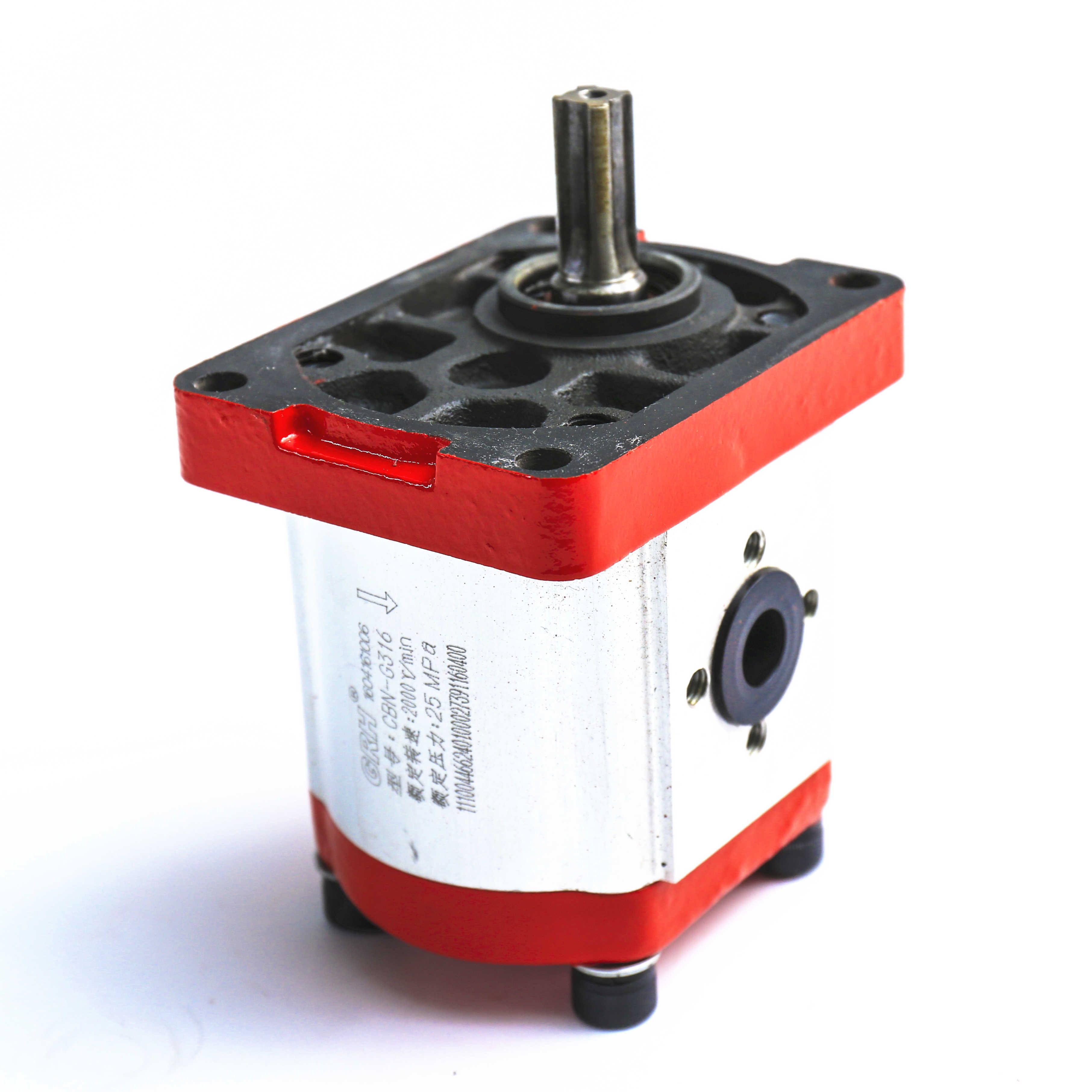
Gear Motors By Michael Carney, CFPHS, CIHM A hydraulic motor is a mechanical actuator that converts hydraulic pressure and flow into torque and angular displacement (rotation). The hydraulic motor is
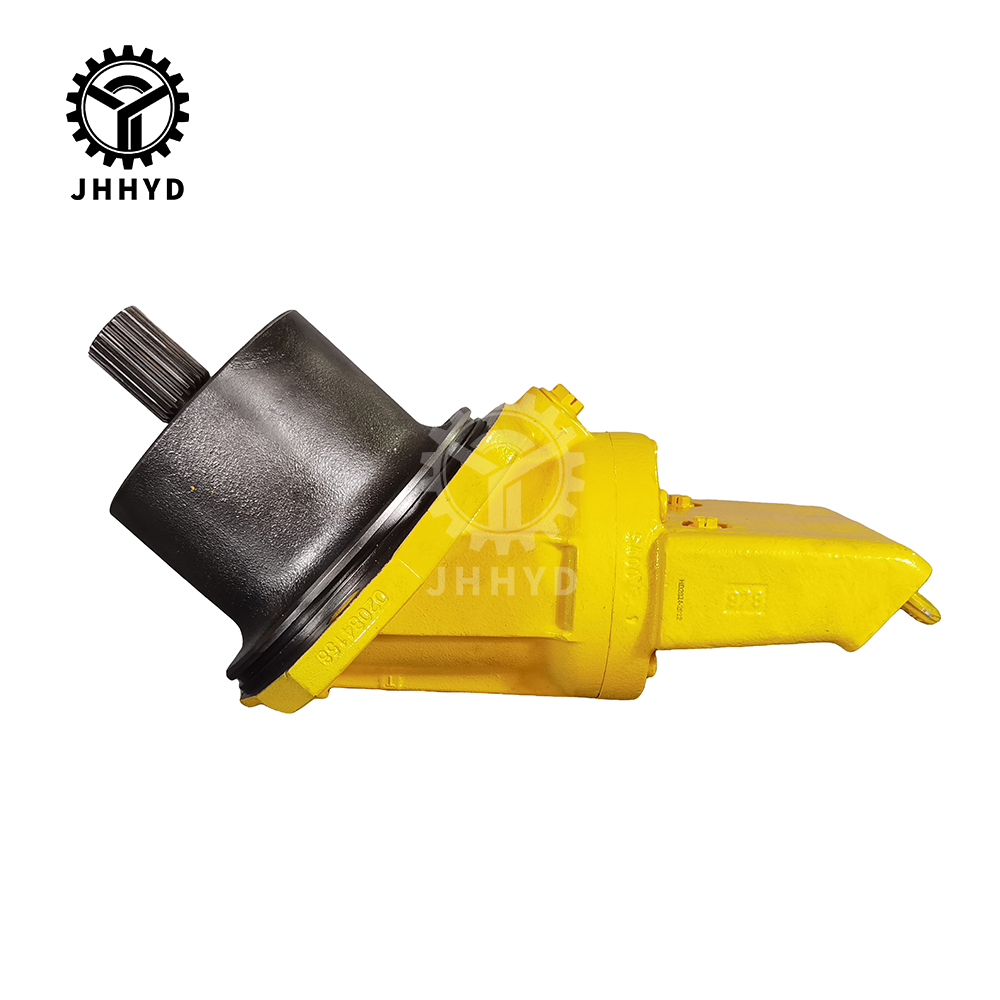
The D8R Steering Motor is a crucial component in heavy machinery, particularly in bulldozers. This motor is responsible for controlling the steering mechanism of the bulldozer, allowing for precise an
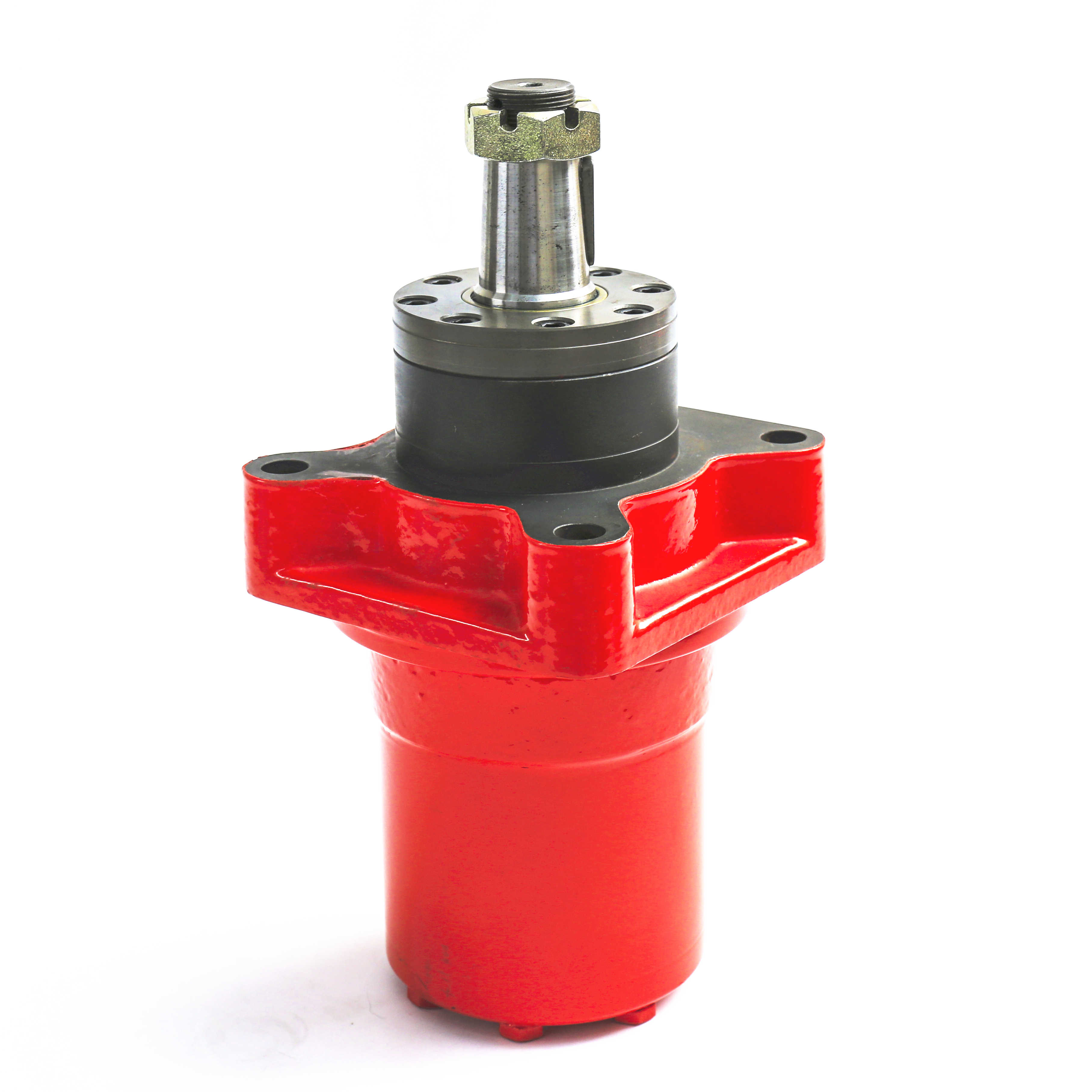
Introduction to Gate Drives Ryszard Daniel, Tim Paulus, in Lock Gates and Other Closures in Hydraulic Projects , 2019 11.3.7 Hydraulic Motors Hydraulic motors convert fluid pressure into rotary motion
Compared with ordinary motors, variable frequency motors look similar in appearance, but they differ greatly in performance and application. Variable frequency motors are powered by a variable frequen
An electric motor is a mechanical device that converts and transmits electrical energy through the law of electromagnetic induction, and it is widely used in various fields. In this article, we will i
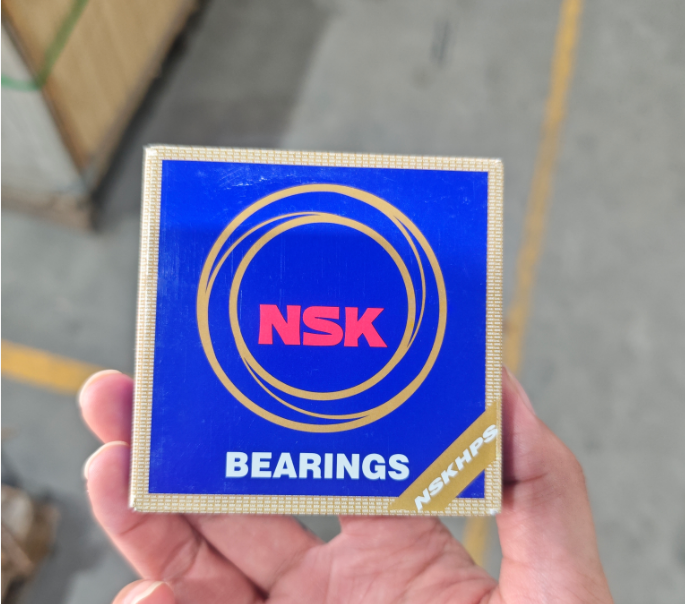
An electric motor is a machine that converts electrical energy into mechanical energy. Bearing selection is one of the most directly relevant considerations. The load capacity of bearings must match t