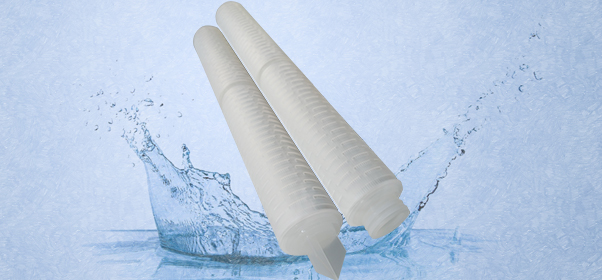
In the selection process of industrial fluid filtration, the pore size, filtration accuracy, and pressure difference are the three core technical parameters. Most purchasers and operators only refer t
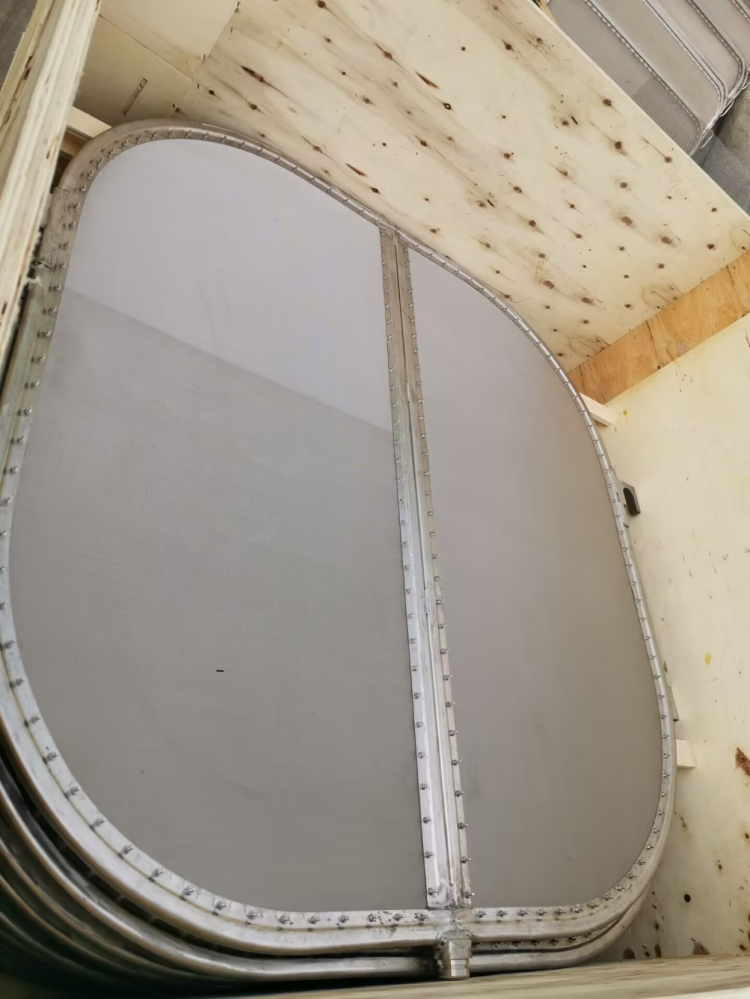
For decades, solid‑liquid separation relied on a wasteful formula: use a disposable filter cloth, run it until it blinds, peel it off, and toss it into a landfill. In a single chemical plant, that rit
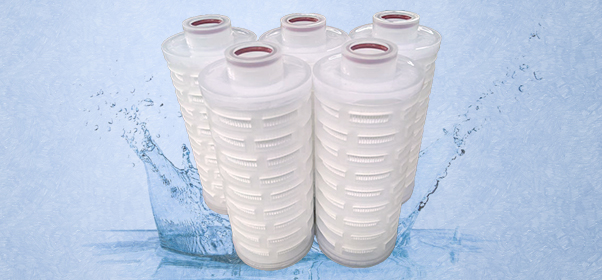
In the field of precise fluid purification, 0.22μm is the industry-recognized critical precision for sterile filtration, and it is also the core filtration standard for pharmaceutical and semiconducto
What indicators should be paid attention to when conducting batch procurement of filter elements for swimming pool projects? In swimming pool projects, cultural tourism water features, and commercial
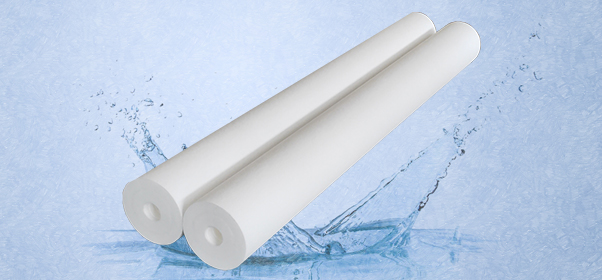
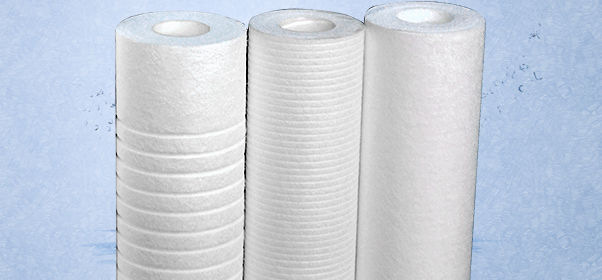
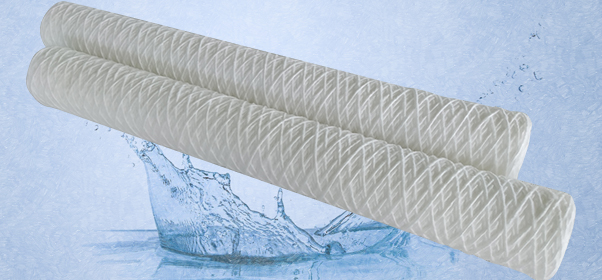
Melt-blown filter element are the core basic consumables for industrial fluid filtration. Relying on their three-dimensional microporous structure, excellent chemical resistance, high pollutant capaci
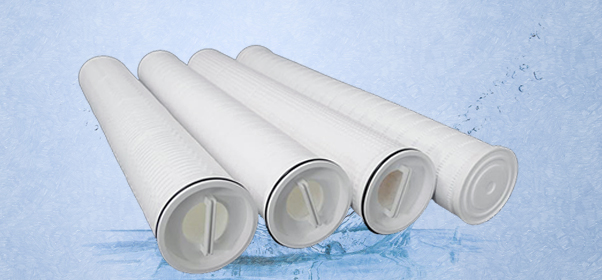
In large-scale pure water systems, industrial water treatment, and chemical fluid filtration scenarios, small-sized filter elements have limited filtration capacity, frequent replacements, and high do
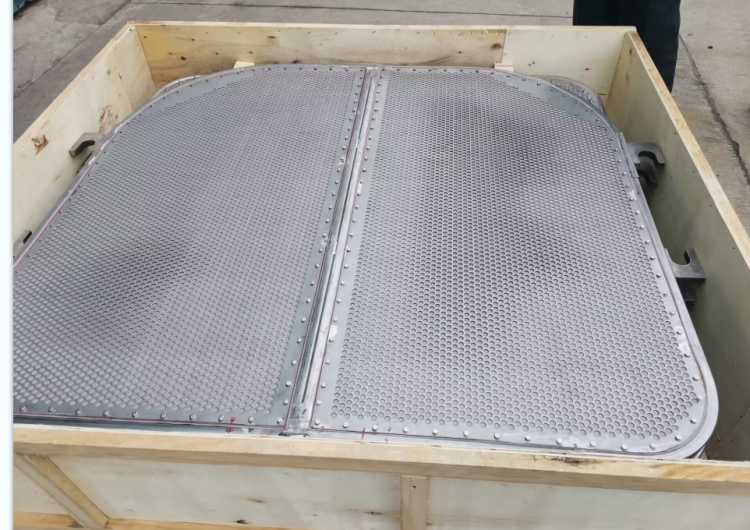
Viscous fluids don’t flow through a filter. They crawl. Heavy oils, polymer melts, and resin slurries resist movement, so the filter leaf must be designed for low pressure drop and easy drainage. Our
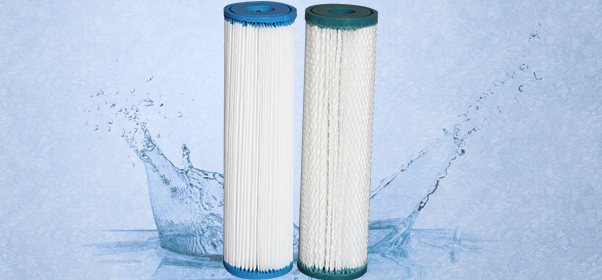
In industrial water treatment, pure water production, and process fluid filtration systems, the pollution capacity is the core indicator for evaluating the comprehensive performance of filter elements
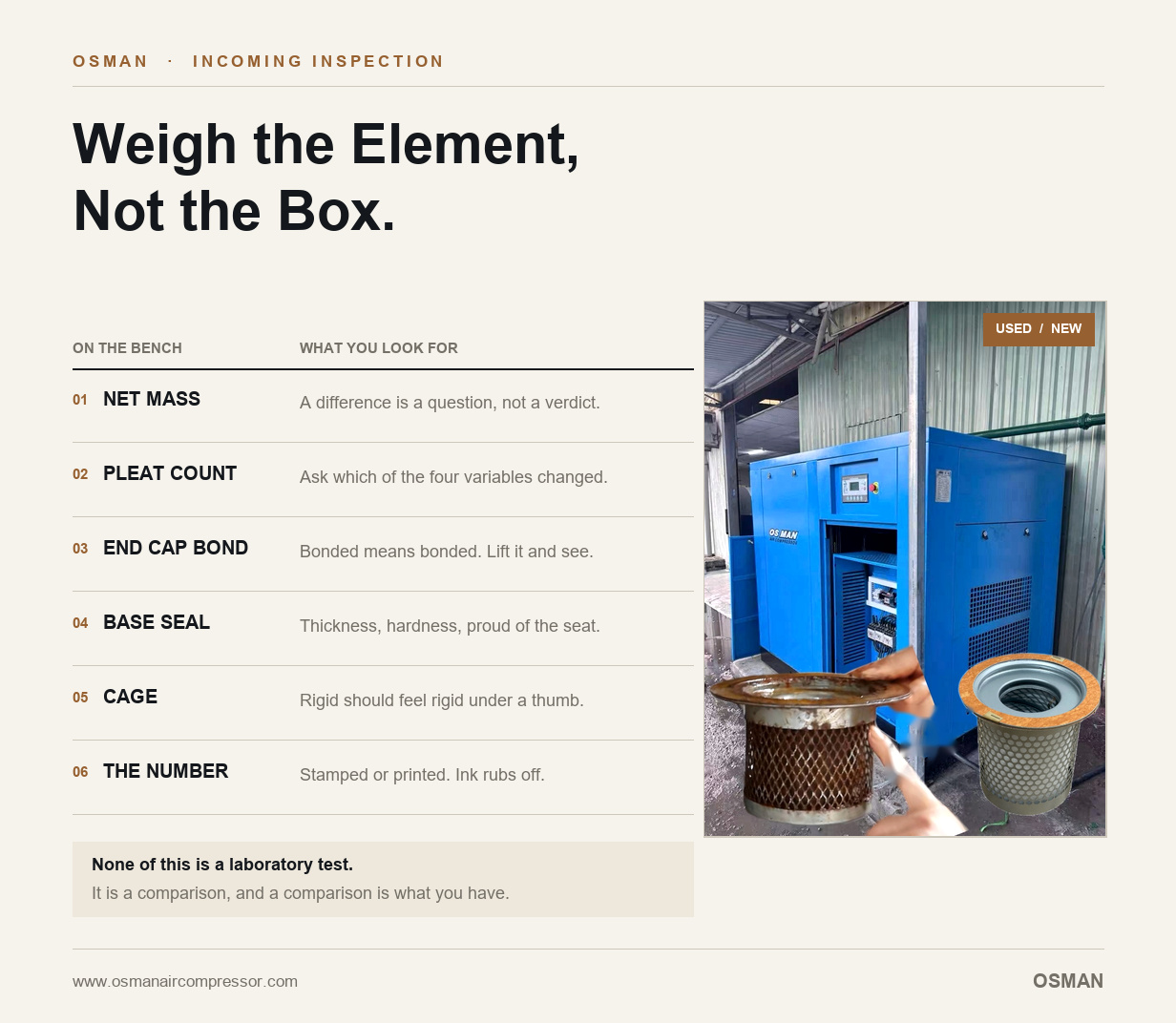
The number on the box tells you one thing well: the element will go into the housing. It says nothing about what is inside it. That gap is where the argument between genuine and aftermarket parts live
In the field of industrial precision filtration, corrosive conditions have always been a challenge in material selection. The continuous erosion by strong acids, strong bases, strong oxidants, and var